
How to Clean Hard to Reach Areas in Home Without Missing a Spot
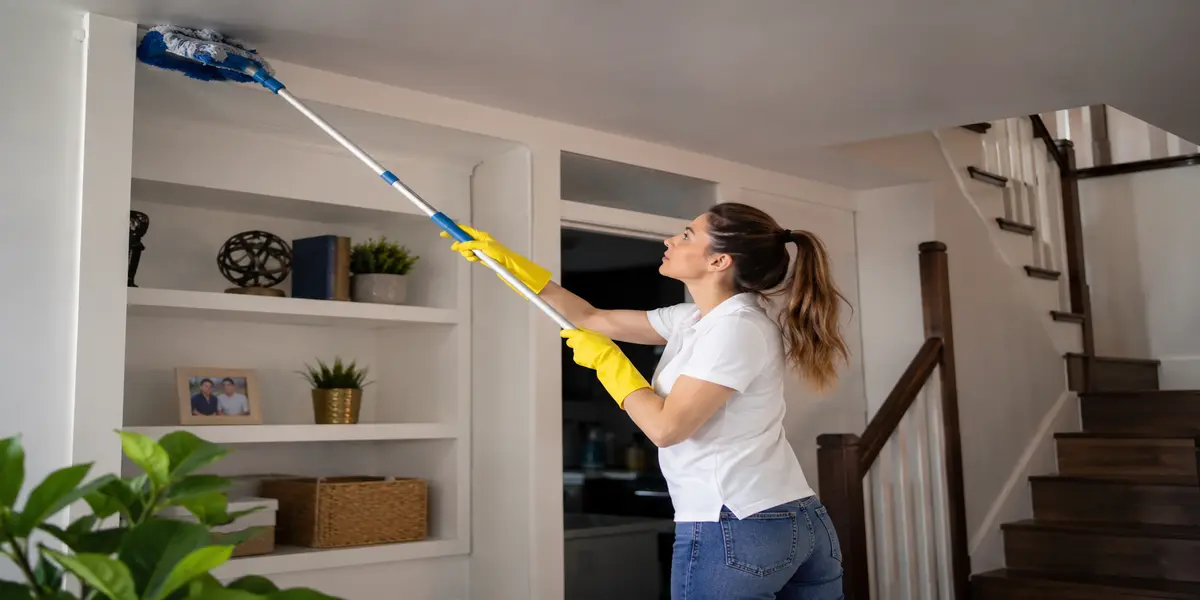
Hard to Reach Areas: Easy Home Cleaning Tips
Keeping your home clean is only easy on the surface that’s readily seen but many of the hidden areas behind your dust bunnies are overlooked. Dust dirt, animal fur, grease and bacteria can all quietly build up in the harder to access areas. If you let these areas go without cleaning you can end up with an inferior home, poor indoor air quality that will be unpleasant enough to attract pests to your home and finally, if you keep it up you will live with a less clean house. Knowing how to clean those tricky spots in your home is key to living in a healthier home.
In this blog we will share some handy cleaning tips on how to clean those hidden overlooked areas, cleaning tools and gadgets to make the job easier and simple habits to maintain to help you clean every corner of your Australian home.
Identify Hidden Cleaning Spots
A great many residential tenants clean their floors and kitchen surfaces but there are numerous hidden places in the house that get dusted but are not really cleaned. Examples include ceiling fans, curtain rods, the backs of appliances, under heavy furniture, air vents, under and inside window sills, door frames, baseboards, and the tops of cupboards. If neglected for a time these places may cause allergies to flare up. Note down where each of these places is located in your house as you move from one room to another. Organizing your cleaning map will help keeping the task orderly and with a map you will not miss a hidden nook.
Gather the Right Tools
Cleaning small corners and crevices can now be done easily and quickly without risking an injury if we have the appropriate tools. A dusting wand, several cloth wipes, a vacuum with attachments, an easy to bend mop, a small ladder, soft brushes, an atomizer bottle and a gentler detergent are probably everything you will ever need. Extension tools minimize unnecessary stretching and help you stay safe while working on high places cleaning. Opt for the reusable microfiber versions they’re better at catching fine dust than regular cloths and less waste is generated! Having all your ducks in a row before you get started saves time and lets you clean yourself into a frenzy without interruptions to gather supplies.
Essential Cleaning Tools
| Cleaning Tool | Best Used For |
| Telescopic Duster | Ceiling fans, high shelves |
| Vacuum Extension | Air vents, corners |
| Microfiber Cloth | Dusting delicate surfaces |
| Flexible Mop | Under furniture |
| Soft Brush | Window tracks |
| Step Ladder | High cupboards |
Clean High-Level Areas
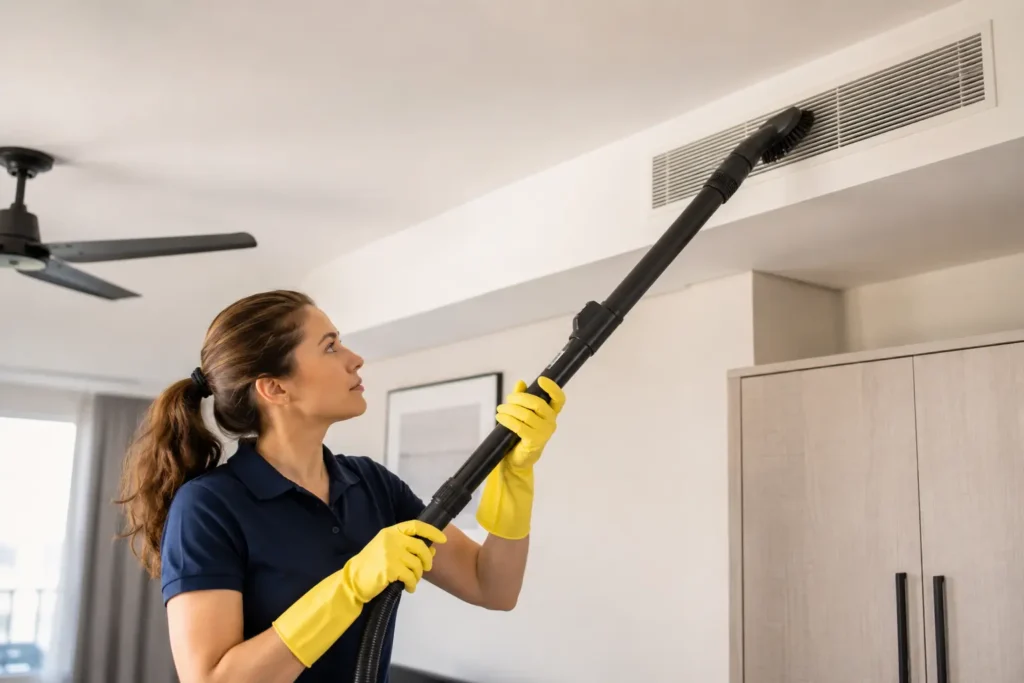
High or tops surfaces are often neglected since they are not visible when doing day to day cleaning. Ceiling fans, light fittings, air-conditioning vents, picture frames and tops of wardrobes all gather dust which is then released back into the air of your home. Work from top to bottom in each room to prevent re-contamination of surfaces. It is suitable for cleaning places that are not easy to access thus making climbing unnecessary. Cleaning such frequently visited places on a regular basis allows you to maintain good air quality in your house and prevent dust accumulation in those hard-to-clean places in the future.
Reach Tight Spaces Easily
It is important to note that some of the hardest places to clean are those in between furniture behind major appliances beneath large furniture and elsewhere. All of these are areas where dust particles, pet hair, ants etc can gather without you noticing. Beyond regular vacuuming, professional floor care helps remove deeply embedded dirt, pet hair, and allergens from carpets in hard-to-reach areas that are often missed during routine cleaning. These areas could become dirty without your knowledge and even become a hive of dust mites or insects. If possible rearrange the furniture to give you space to do it properly and use a hose attachment or a broom with extending rod to reach the tight spots.
Frequently Missed Areas
| Hidden Area | Cleaning Frequency |
| Behind Refrigerator | Every 3 months |
| Under Sofa | Monthly |
| Window Tracks | Monthly |
| Air Vents | Every 2 months |
| Behind Washing Machine | Every 3–6 months |
Focus on Forgotten Rooms
Dining and living are generally the areas that are most often cleaned and looked after compared to bathrooms, laundries , garages and storage rooms. Though they may have developed damp mould dust and cobwebs that can have an effect mostly on the house’s neatness and health. Take a look at the toilet backside under laundry appliances, in cabinets in the kitchen and on garage shelving areas for grime and remove all these. Also clean walls, pull cobwebs down from ceiling corners when possible and vacuum around the stored goods on the floors and walls. Make an effort to clean these often neglected spots in your house for a really deep clean.
Put together a cleaning schedule
You might also find it beneficial to deep clean each and every nook at one time if you are determined to do so but alternatively you can break it down into small, manageable cleaning jobs on a weekly or even monthly basis. It would be wise for you to set a plan that you can follow to dust the fan in the ceiling of the living room during one week. Mopping under the seat will be your mission for next week whereas cleaning your window tracks will be your plan on what comes next week. Making a really simple list will help prevent neglecting certain tasks and it’ll spread out your deep cleaning.
Know When to Call Professionals
The cleaning of large premises takes special knowledge and may be dangerous in some cases. Because of this it is recommended that only experts undertake such work. Professional crews are also called in if there are high ceilings to clean, ducted air-conditioning, removal of mildew or moving big or heavy furniture. Professional cleaners are equipped with the right tools and methods to go into hard-to-reach places with more safety and effectiveness. In some cases bringing in the professionals can be a really good addition to your usual cleaning of the house in order to help you take care of things that are just impossible to reach or clean correctly.
Benefits of Deep Cleaning
Investing time in cleaning the secluded areas of your house may benefit you beyond what you can perceive. Routine deep cleaning of your place leads to decreased chances of experiencing allergen triggers, enhanced indoor air quality, pest exclusion, prevention of mold formation, protection of surfaces against destruction and ultimately causing a healthier home. Keeping curtains clean also supports better indoor air quality, and learning how to clean curtains without damaging fabric can help you care for delicate window furnishings safely. Also you are not only increasing the life of appliances and equipment by cleaning them and removing the accumulated dust but you’re also saving on your energy bill. Removing dirt from hidden spaces that have been hard to clean but you were more likely to overlook is a very beneficial habit.
Conclusion
Concealed grimes accumulates even in those places where we don’t usually have the time to look so deep cleaning is necessary for maintenance of your house. Some good tool kits, starting with the top part of the house cleaning, making sure to avoid accidents by carefully working on restricted spaces and taking the right steps in sequence are among the keys to easily clean hard to reach areas in home without leaving a bit behind. You can really help to maintain a bit cleaner, fresher, more pleasant atmosphere in each room of the house for the whole family by being a bit prepared and putting in a lot of your work.
Related Posts

How to Prepare a Powerful Homemade Window Cleaner?
Have you ever been wondering why your windows are still greasy despite using a cleaner…

A Complete Guide to DIY Essential Oil Cleaners
DIY Essential Oil Cleaner: Natural Home Cleaning Guide Did you ever want to have a…
Common Bond Cleaning Challenges Before Final Inspection
Leaving a rental property can be nerve-wracking, especially when that final inspection is near. You…